+27 (0)60 014 4200
 +32 329 293 0116
 +31 (0)97 010 251 091
 +44 (0)20 4538 7771




Reviewed by Lelethu Qotole, Clinical Lead and Registered Social Worker (SACSSP 1045783), Liberty Home Rehab. Reviewed: 4 November 2026.
Addiction is expensive, and not only because of the cost of the substance itself. Many people arrive in recovery with debt, missed payments, borrowed money, and strained trust around money with family. Facing it can feel overwhelming, but money problems can be worked through one step at a time, and sober living is a good place to start.
This guide walks through finances after addiction one step at a time: getting the full picture, budgeting, talking to creditors, rebuilding trust at home and planning for income. If you are still deciding on next steps, see how long you should stay in sober living.
Key takeaways
- Write down every debt and cost before making any plan.
- Keep a simple budget: essentials first, then debt, then everything else.
- Contact creditors early and get every arrangement in writing.
- Trust around money is rebuilt through sustained actions, not words.
- Watch for money triggers such as payday, cash and gambling apps.
Why money matters in recovery
Money is closely linked to relapse. Cash in your pocket can be a trigger, debt causes stress, and financial chaos can keep shame alive. Getting organised is not just practical; it is part of recovery.
Step 1: Get the full picture
Write down everything, without judgement:
- your income (salary, grants, support from family)
- regular costs (rent or sober living fees, transport, phone, food)
- every debt: who you owe, how much, the monthly instalment and whether you are behind
- money owed to family or friends
You can request a free credit report once a year from each of South Africa’s main credit bureaus, which shows accounts in your name.
Step 2: Make a simple budget
Start with essentials: accommodation, food, transport and treatment. Then debt repayments. Then everything else. Keep it simple; a notebook or a phone note works. Many people in early recovery find it helps to:
- carry little cash
- remove saved card details from apps
- set daily spending limits on bank cards
- pay fixed costs on payday by debit order
Step 3: Talk to the people you owe
Ignoring creditors usually makes things worse. Contact them, explain that you are dealing with a health problem, and ask about a payment arrangement you can genuinely afford. Keep a record of every agreement in writing.
If your debts are too large to manage, a registered debt counsellor can assess whether debt review under the National Credit Act is right for you. Be wary of anyone who charges large upfront fees or promises to make debt disappear.
Step 4: Rebuild trust with family around money
If you have borrowed or taken money from loved ones, trust will take time. It can help to be open about your budget, agree on how money will be repaid, and let actions speak. Some people choose to have a trusted person help manage their money for a while. Remember that trust is rebuilt through sustained actions, not words, and that your family needs to see meaningful and lasting changes in your behaviour. Family sessions are a good place to talk this through.
Step 5: Plan for work and income
Returning to work, finding new work or studying are all part of building a stable future. Your social worker or case manager can help you plan steps, update your CV and think about how to explain gaps.
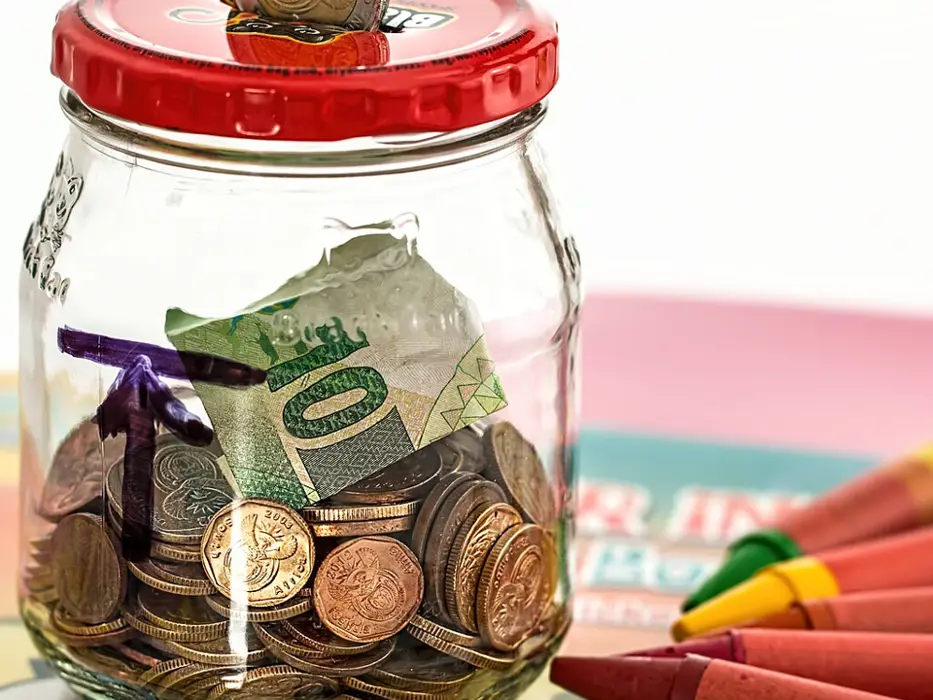
Watch for money triggers
- payday, bonuses or unexpected cash
- gambling, including betting apps and online casinos
- spending to cope with stress, boredom or loneliness
Talk about these openly in groups and with your sponsor or counsellor.
Finances after addiction: a first-month checklist
A short checklist can make finances after addiction feel less overwhelming. You do not need to do everything in week one. Aim for steady progress and talk about each step with your support network.
- Week 1. List income, costs and every debt in one place.
- Week 2. Draw up a simple budget and set card limits.
- Week 3. Contact creditors and agree affordable arrangements in writing.
- Week 4. Review the month honestly and adjust the plan.
Living in a structured sober living home gives you a stable base while you do this. Our guide to the cost of sober living in South Africa explains what residents usually budget for, and relapse prevention in sober living covers how stress, including money stress, is managed day to day.
Support at Liberty Home Rehab Lodge
Liberty Home Rehab Lodge in Cape Town is the only private registered halfway house in Cape Town. Residents build independence in a structured home, with support from the clinical team, including social work, as they plan work, money and life after treatment. Note that the Lodge is a step-down facility and does not bill medical aids. See also how long you should stay in sober living.
Treat your creditors with honesty and accountability: communicate openly, honour payment arrangements, avoid taking on unnecessary debt, and consistently demonstrate responsible financial management.
Frequently asked questions
Should I tell creditors I was in rehab?
You don’t have to share details. Saying you have been dealing with a health issue and want to set up an affordable plan is usually enough.
What is debt review?
A process under South Africa’s National Credit Act where a registered debt counsellor helps restructure your debt into one affordable payment. It has costs and limits on new credit, so get advice first.
How do I stop impulse spending?
Carry little cash, remove saved cards, set limits and pause for 24 hours before any non-essential purchase.
How long does it take to sort out finances after addiction?
It varies. Most people see real progress within a few months of steady budgeting and keeping payment arrangements. Large debts can take longer, so focus on consistency rather than speed.
Talk to us
If you would like to talk about treatment for mental health, eating disorders or addiction, or about sober living after treatment, call our admissions team on +27 60 014 4200. Calls are confidential.
If you are in South Africa and need to talk to someone today, the South African Depression and Anxiety Group (SADAG) also offers free support and information.
Sources
- National Credit Regulator (South Africa). Debt counselling and your rights under the National Credit Act 34 of 2005. ncr.org.za
- National Credit Regulator. Free annual credit report. ncr.org.za
- SAMHSA. Recovery and recovery support: the four dimensions (health, home, purpose, community). samhsa.gov
- Money and Mental Health Policy Institute (UK). Research on debt, mental health and relapse. moneyandmentalhealth.org
- Gamblers Anonymous South Africa / South African Responsible Gambling Foundation. responsiblegambling.org.za